
Two-day Capacity-Building Workshop Held for Morocco’s GCED Curriculum Development and Integration Project
26.11.2025 | apceiu-cdi | 8 reads
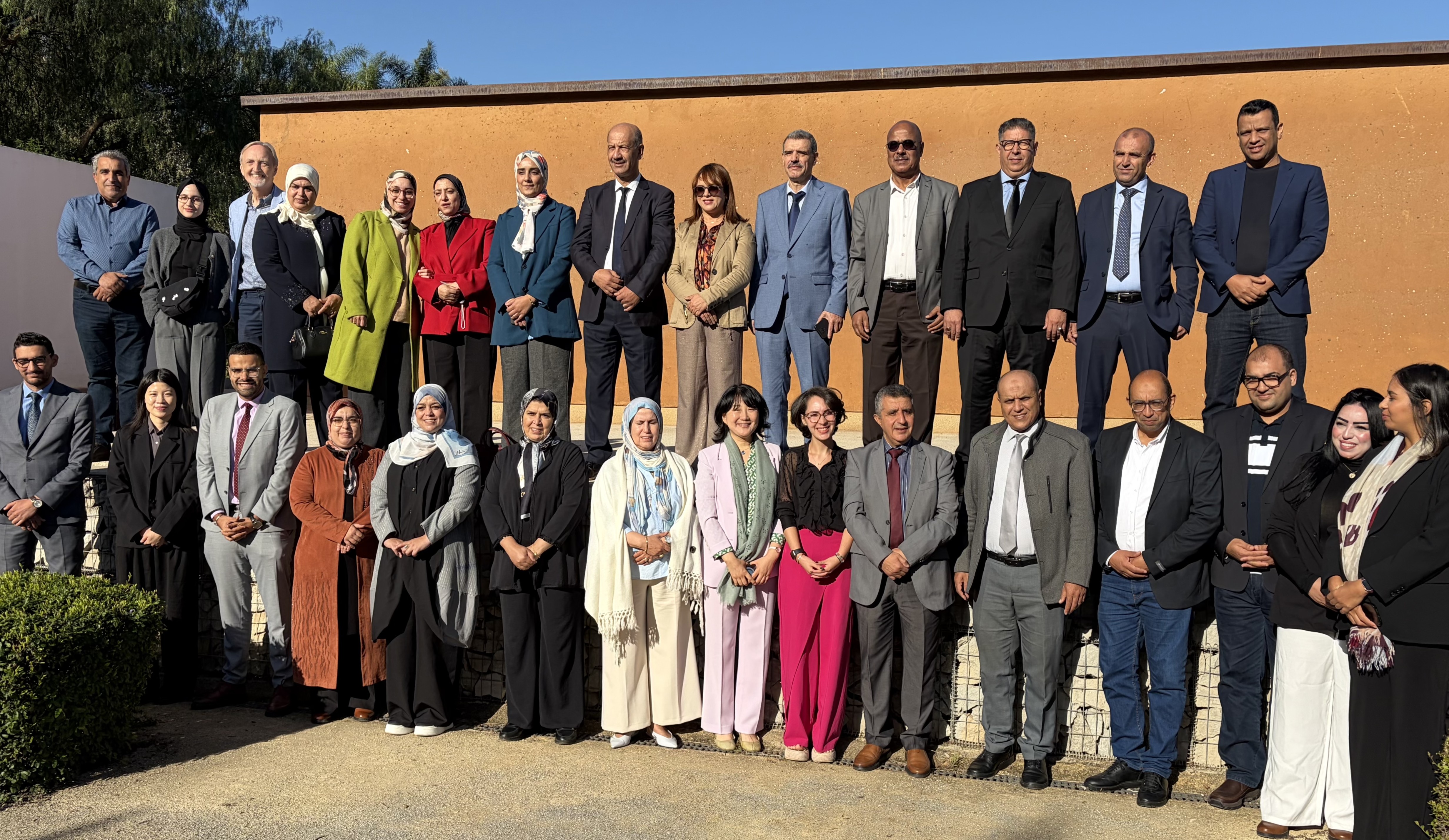 |
On 10-11 November 2025, APCEIU, in collaboration with the Mohammed VI Foundation for Environmental Protection and the Ministry of National Education, Preschool and Sports, held a two-day capacity-building workshop at the Hassan II International Center for Environmental Training, as part of the GCED Curriculum Development and Integration (CDI) Project in Morocco.
The programme brought together key stakeholders involved in the GCED CDI Project, including teachers, inspectors, curriculum specialists, school life representatives, and institutional partners. Participants deepened their understanding of GCED and explored approaches for integrating GCED into Morocco’s ongoing curriculum reform efforts.
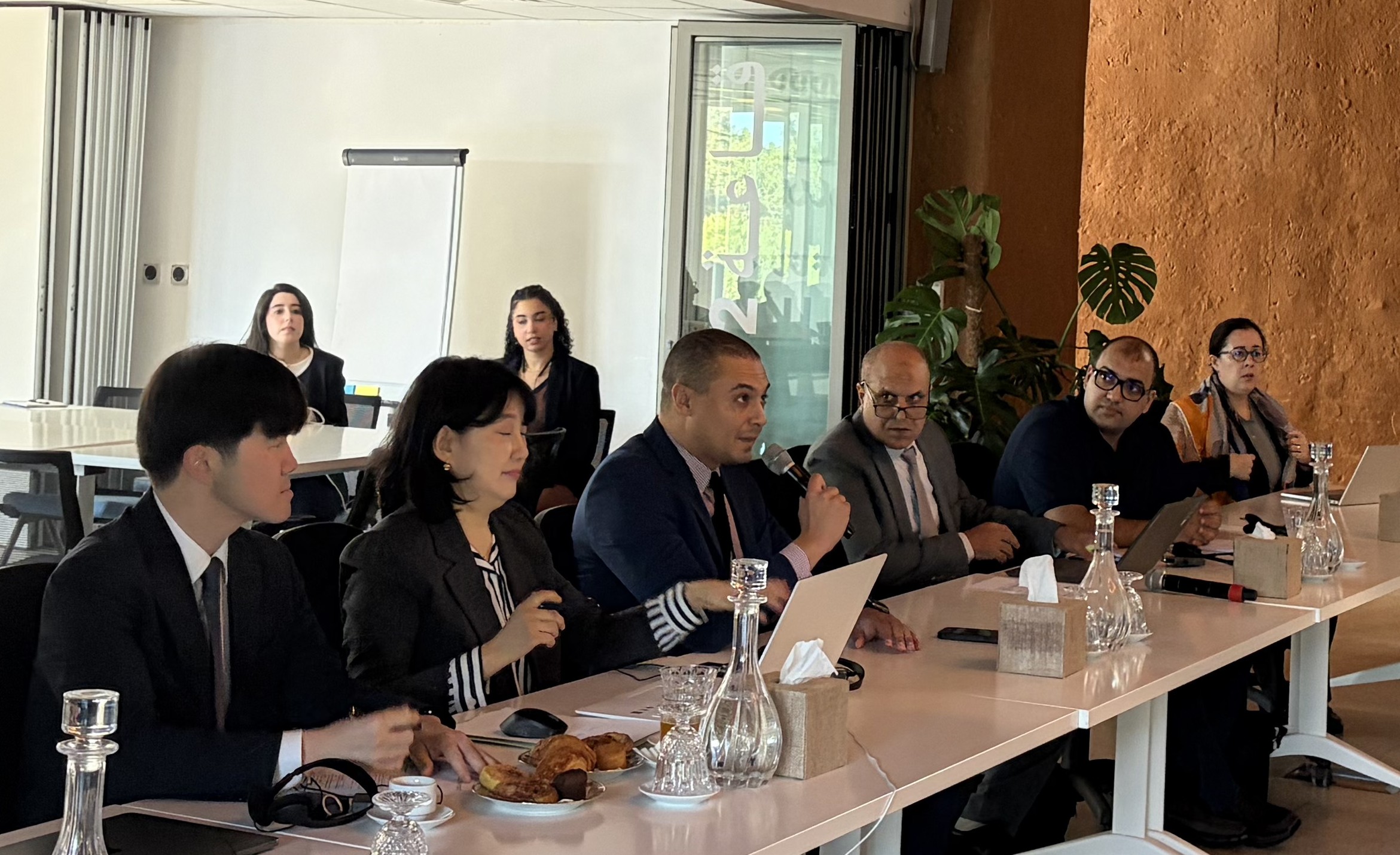 |
The first day began with opening remarks from Mr. Ayman Cherkaoui, Director of the Hassan II International Environmental Training Center and representative of the Mohammed VI Foundation for Environmental Protection; Mr. El Arabi El Rami from the Ministry’s Activities Development Division; and Ms. Jeongmin Eom, Deputy Head of the Institute of Global Citizenship Education at APCEIU, with Mr. Seongkyun Lim, Counsellor of the Embassy of the Republic of Korea in Morocco, also in attendance.
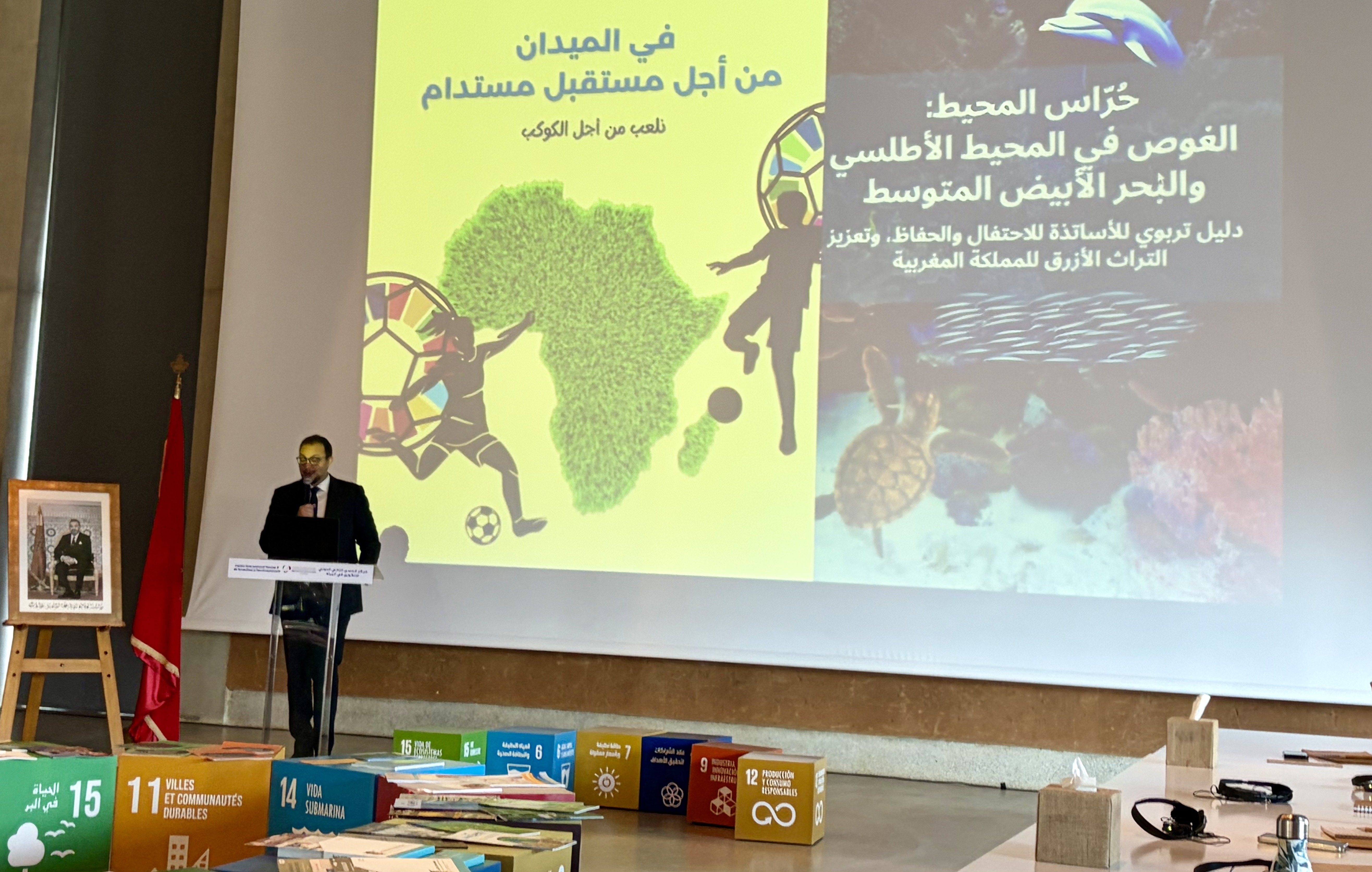 |
The first day of the workshop focused on piloting the draft versions of two GCED and ESD learning materials - Guardians of the Ocean: Diving into the Atlantic and the Mediterranean and On the Field for a Sustainable Future – Playing for the Planet - which had been adapted to the Moroccan context by the Mohammed VI Foundation in collaboration with APCEIU.
The Foundation introduced its joint work with APCEIU in developing these localised tools, while APCEIU provided a brief overview of the original GCED concepts and source materials. Participants were then guided through the adapted drafts, receiving an overview of the pedagogical approach, key activities, and intended competencies.
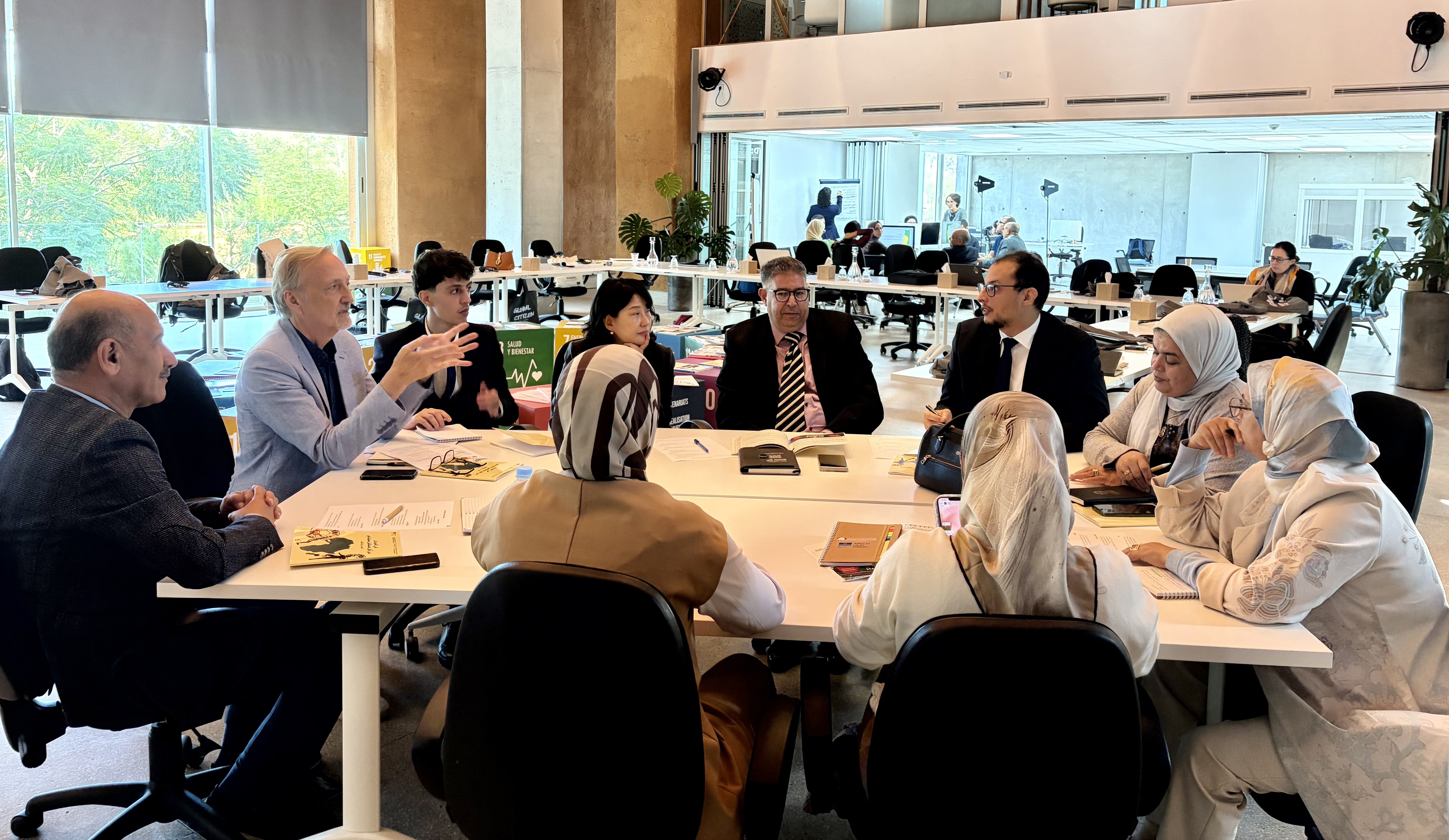 |
This was followed by hands-on group testing, during which participants examined the structure and content of both guides, explored potential classroom application, and discussed their relevance for diverse regional contexts, including inland and non-coastal areas.
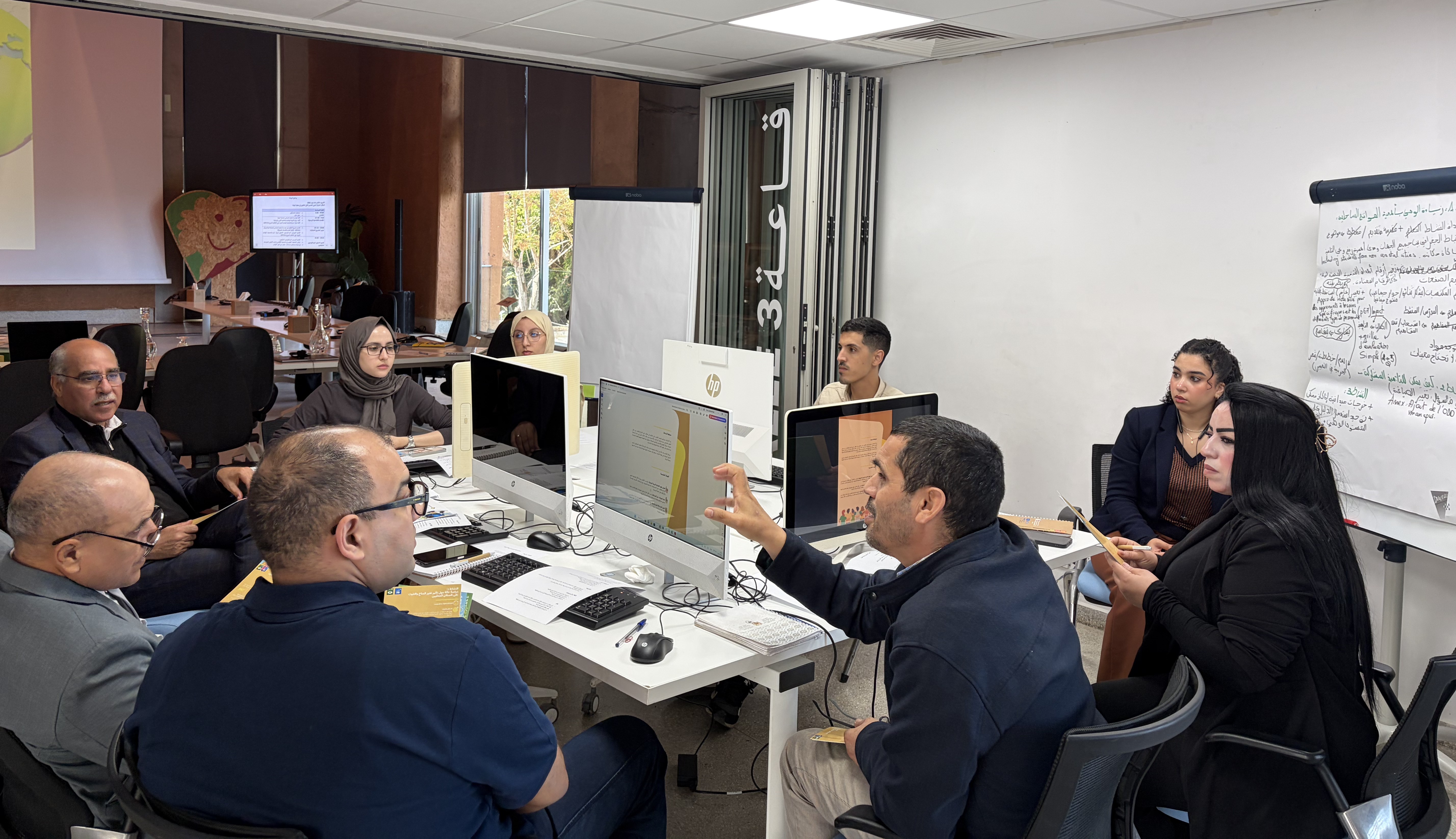 |
These discussions generated practical insights on terminology, inclusivity, multilingual use across Arabic, French, and English, and alignment with Sustainable Development Goals and national curriculum priorities.
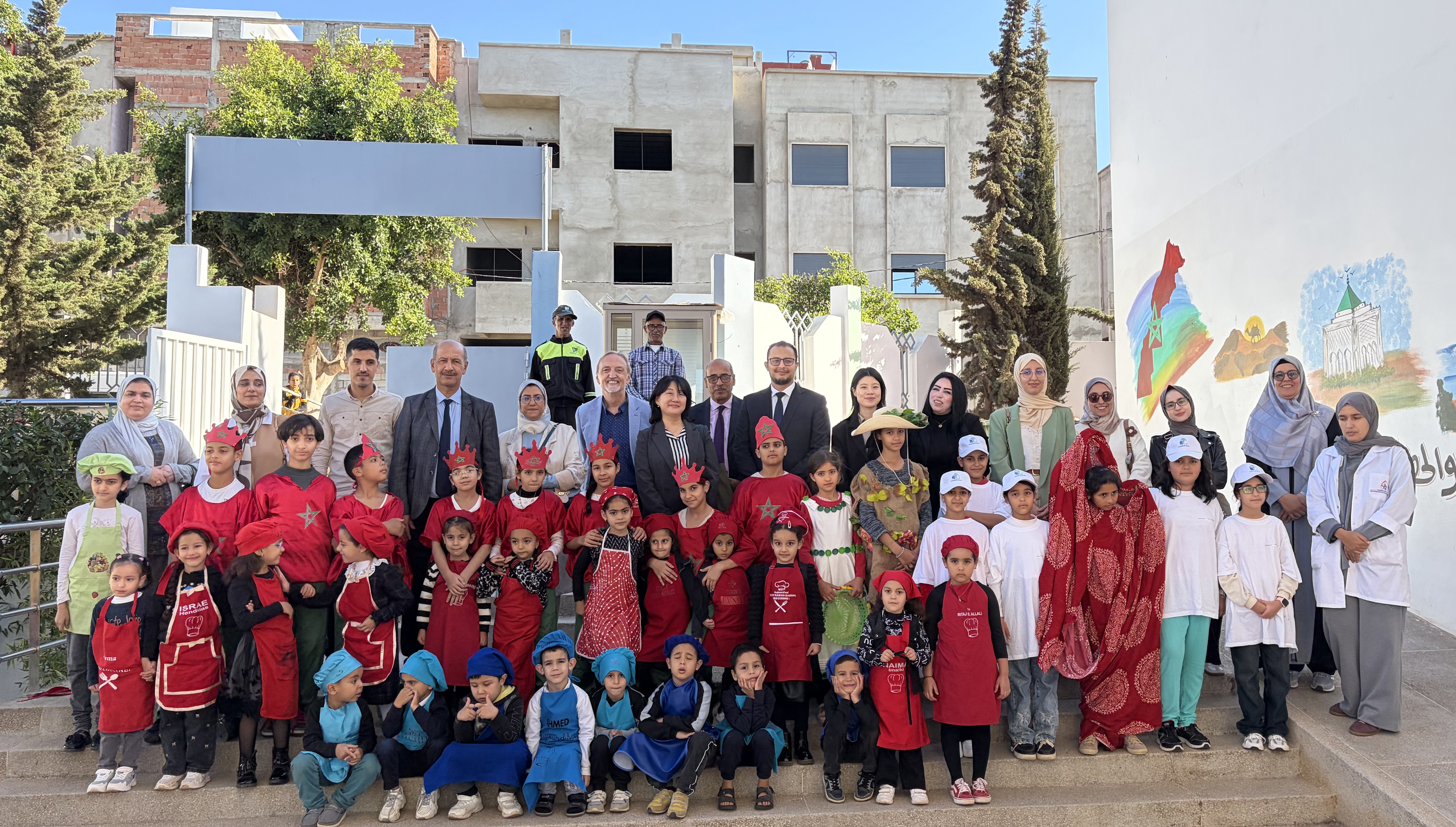 |
In the afternoon, participants visited the Eco-School of Sidi Abdellah in Salé, observing environmental projects and engaging with school staff about their experience implementing Education for Sustainable Development. The visit complemented the morning discussions by demonstrating how GCED and ESD principles can be translated into whole-school practices.
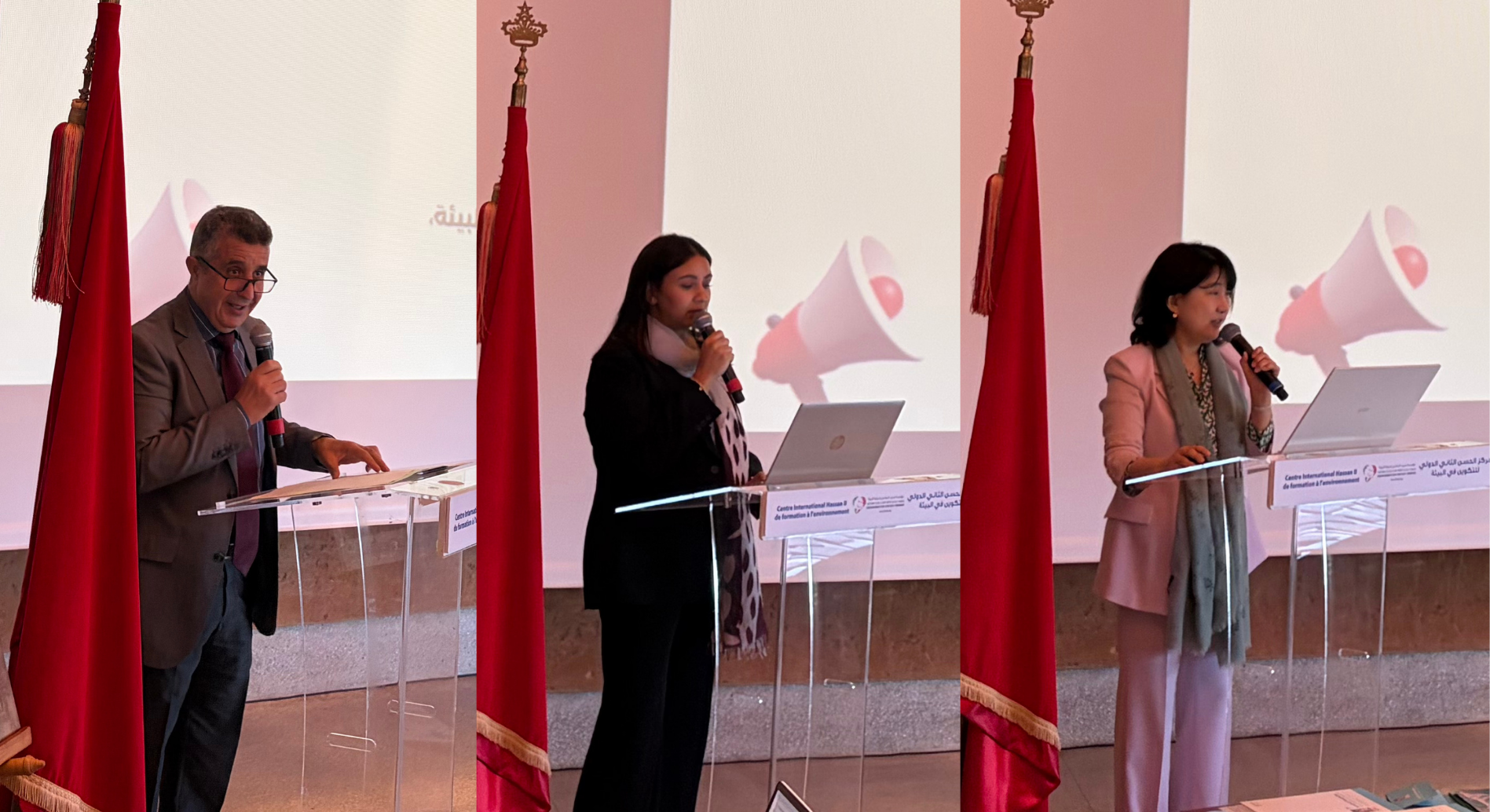 |
The second day began with opening remarks from Mr. Noureddin Bendouqi, Coordinating Inspector for the Ministry of National Education, Preschool and Sports; Ms. Meryem Khodari, Senior Program Growth Manager for Education for Sustainable Development at the Mohammed VI Foundation for Environmental Protection; and Ms. Jeongmin Eom.
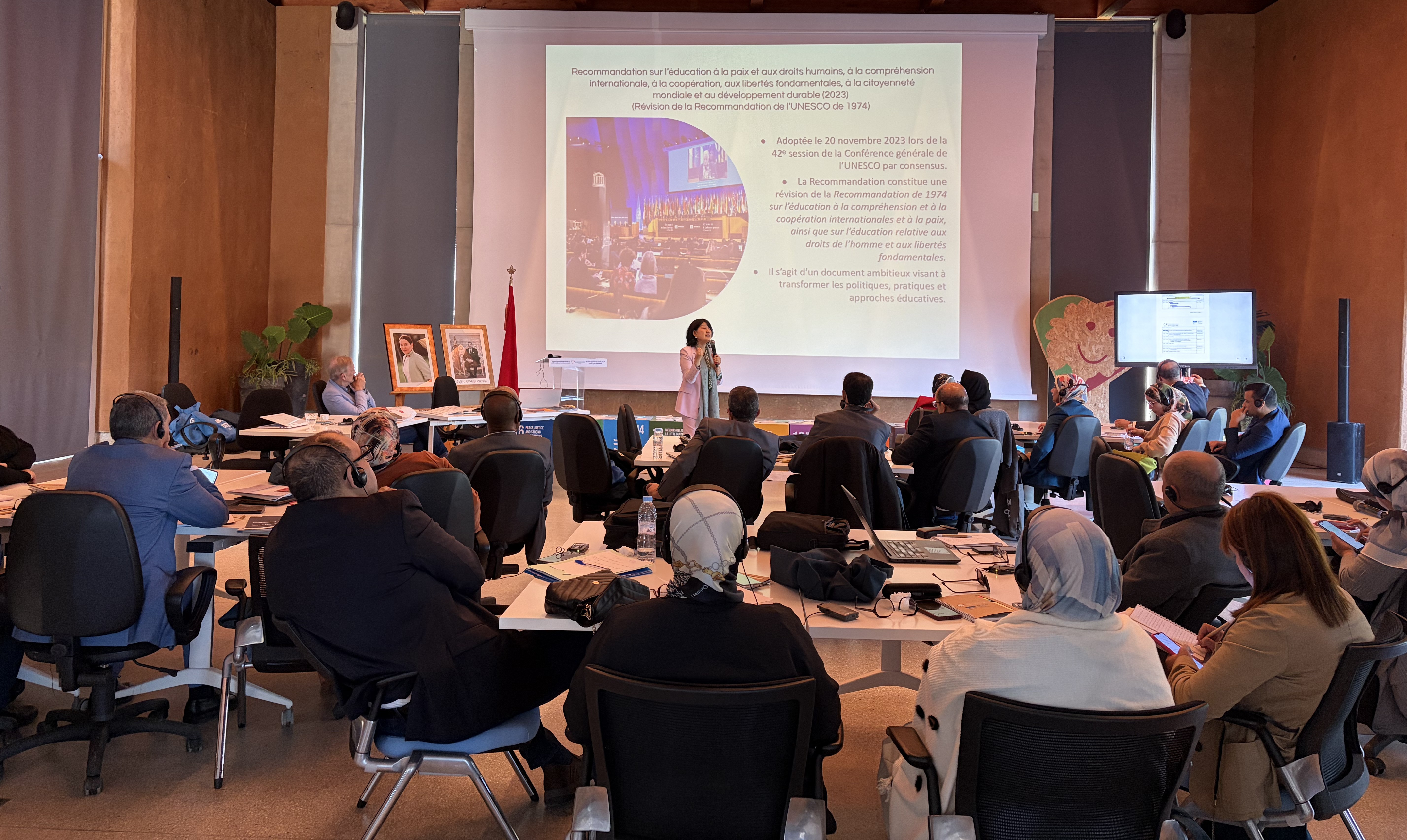 |
The programme then brought all participants together for an introductory session aimed at building a common understanding of GCED, followed by activities designed to explore its relevance in today’s rapidly changing global context and to connect these concepts with participants’ professional experiences.
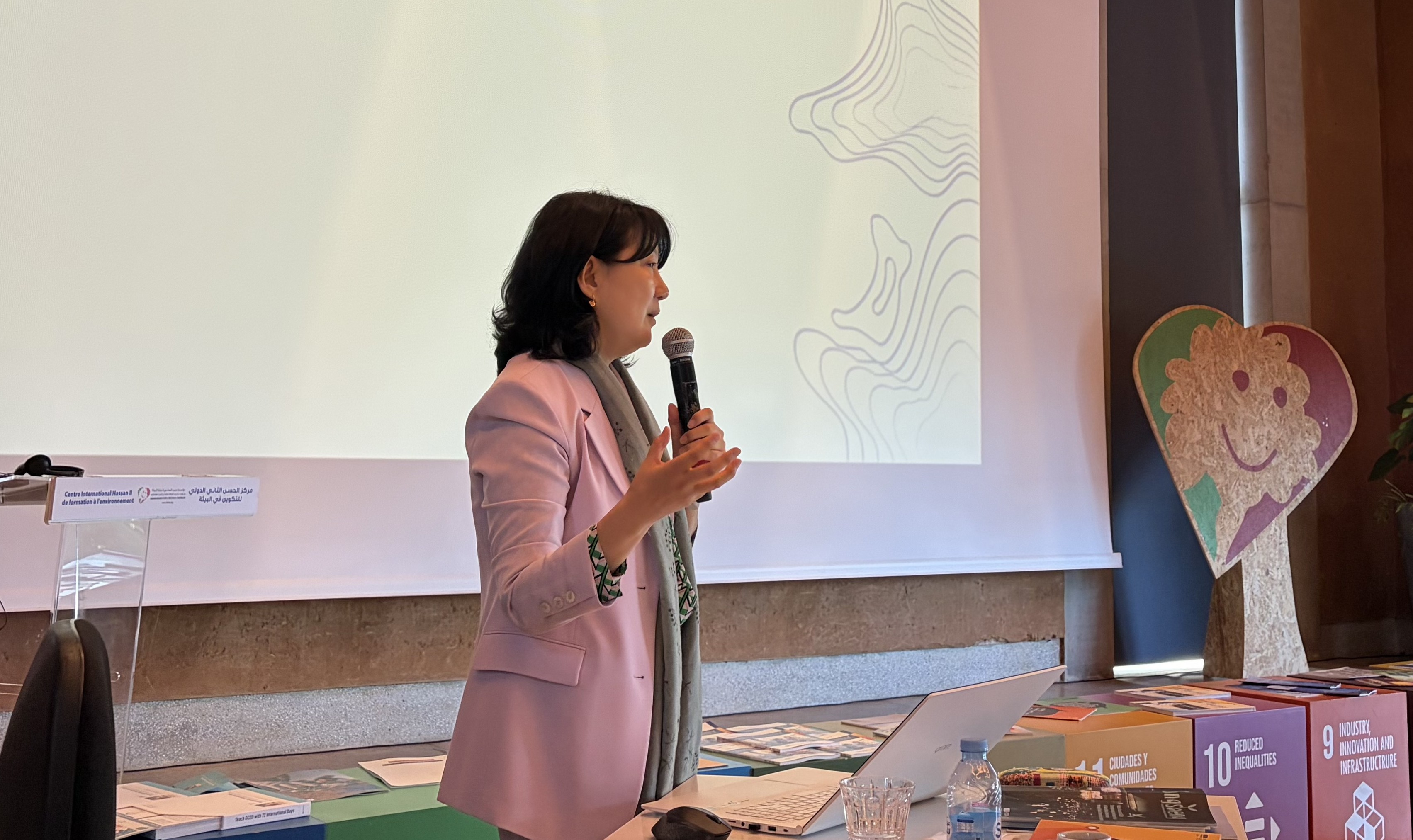 |
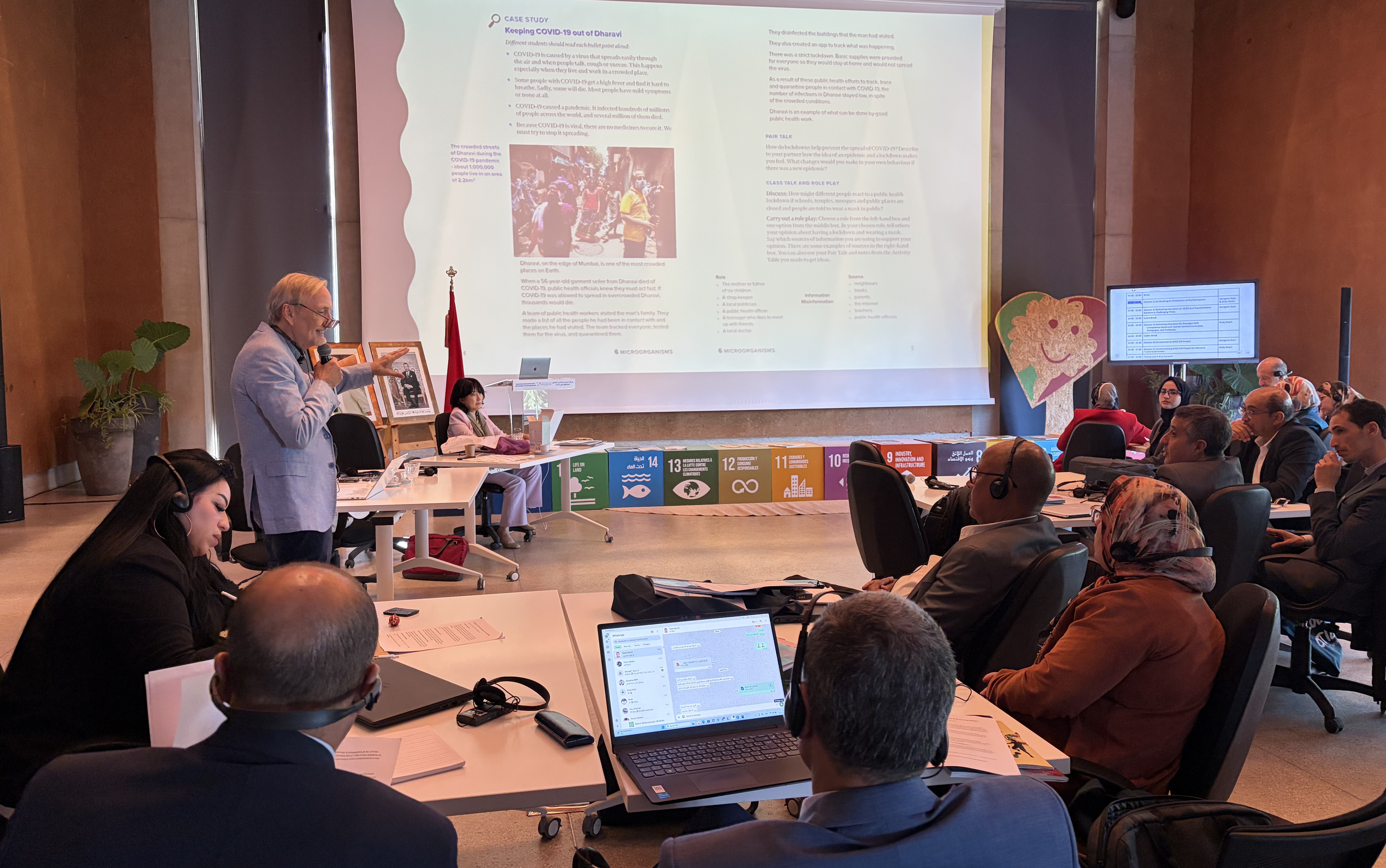
Through a series of interactive sessions, participants examined key ideas such as learner-centred and competency-based approaches, educational paradigm shifts, and the implications of GCED for curriculum, pedagogy, and school life. These discussions provided a foundation for understanding how the CDI Project will support Morocco’s broader education reform efforts.
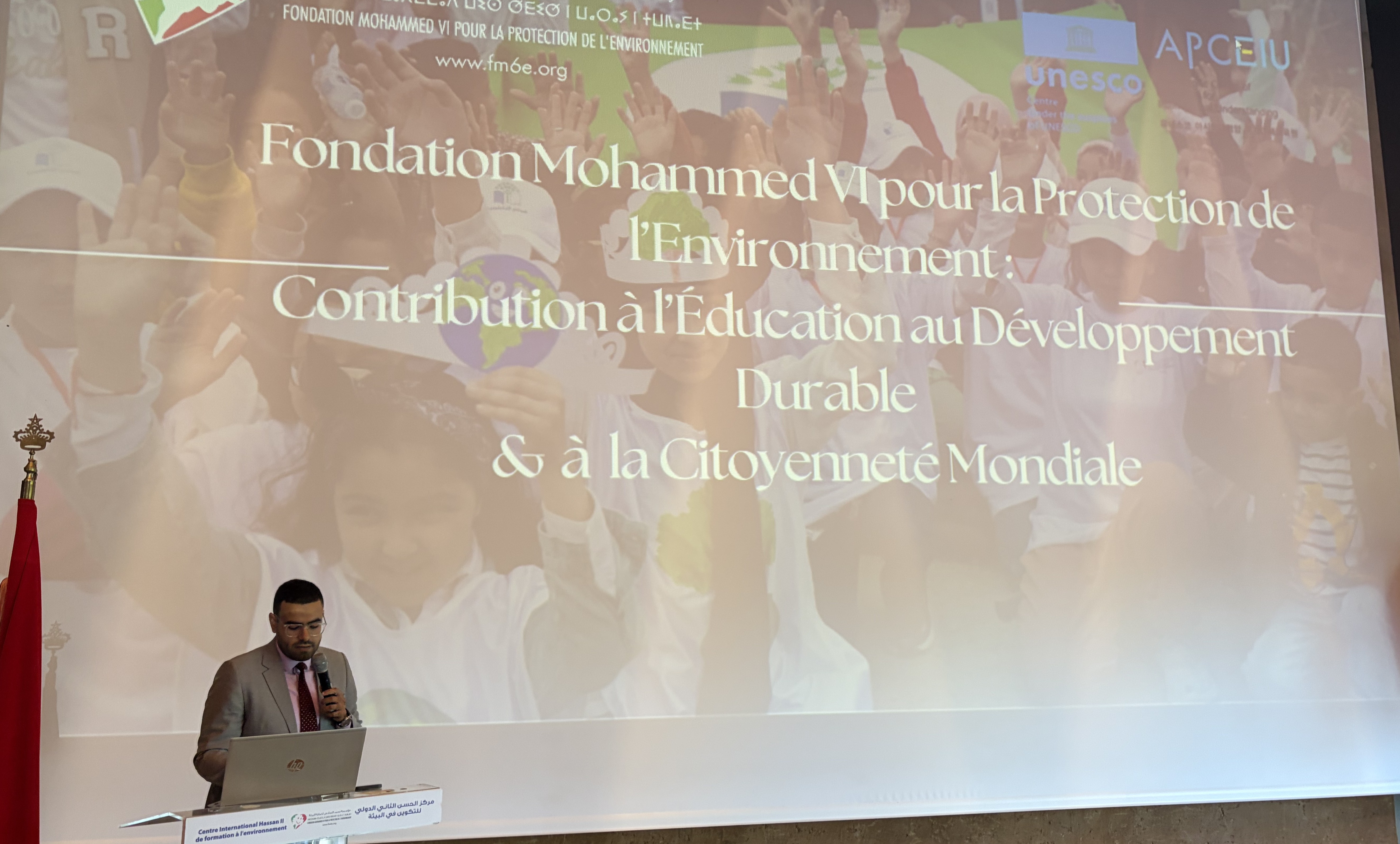 |
While the Ministry presented an overview of the work undertaken so far in preparation for GCED integration, including ongoing curriculum developments and activities aligned with values-based and transformative education, the Foundation also shared the resources it developed with APCEIU as part of the CDI Project, explaining how the materials reflect national priorities and can support schools in promoting sustainability and citizenship education.
 |
The day concluded with a session on contextualising the CDI Project for Morocco and identifying next steps for 2026. Participants reflected on institutional roles, coordination needs, and future capacity-building priorities as they considered how GCED and ESD can be meaningfully strengthened across the national education system.
As a fifth-round participating country of the GCED CDI Project, Morocco continues to engage in collaborative efforts with the Ministry of National Education, Preschool and Sports, the Mohammed VI Foundation for Environmental Protection, and APCEIU. The workshop provided stakeholders with an opportunity to align perspectives and reinforce coordination, contributing to ongoing efforts to strengthen GCED and ESD within the national education context.